What Is Credit Invisibility? Who It Affects and How To Fix It
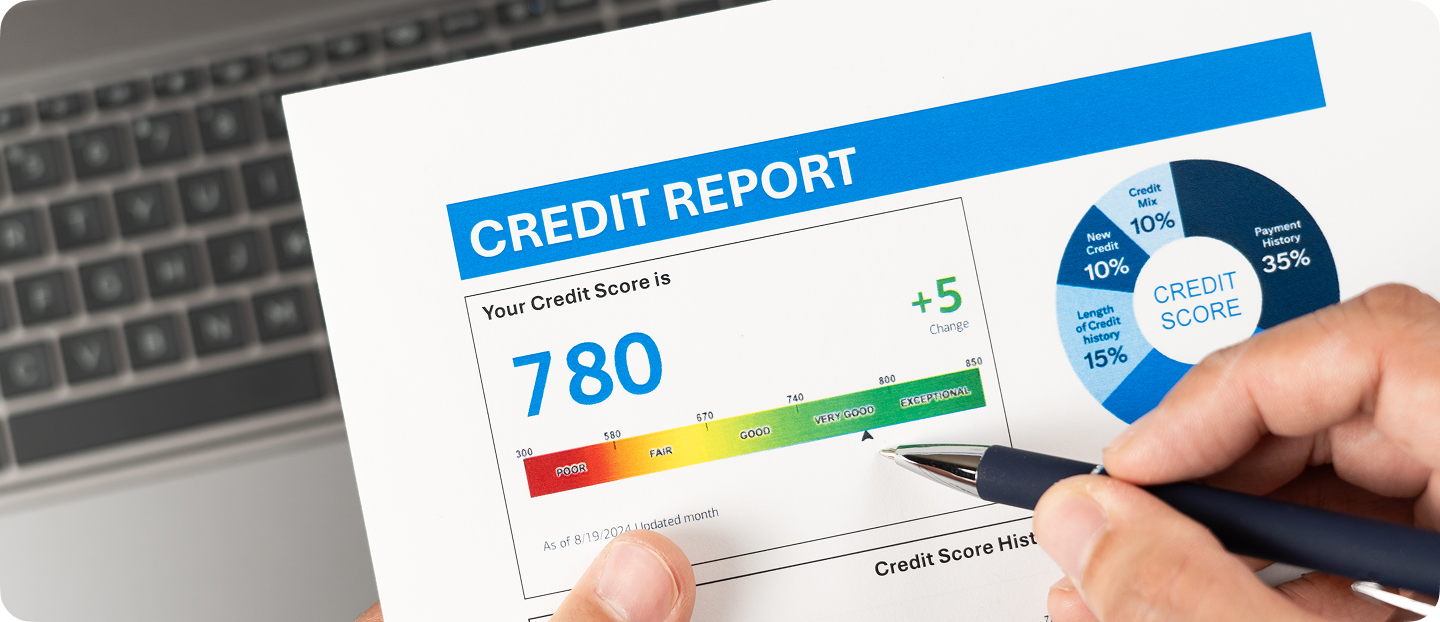
If you’ve ever been denied a credit card, loan or apartment because you “don’t have enough credit history,” you’re not alone. The Consumer Financial Protection Bureau (CFPB) says millions of Americans are credit invisible, not because they’re irresponsible, but because lenders don’t see enough payment history to calculate a score.
Without a score, milestones like renting a home, buying a car or getting approved for credit become harder. The good news? You can build credit by reporting everyday bills, like phone and rent, to the credit bureaus. That’s how you move from invisible to visible and unlock better rates and approvals.
When Good Habits Aren’t Enough: The Hidden Cost of Credit Invisibility
Being credit invisible means you don’t have enough information in your file at the major credit bureaus, Equifax, Experian or TransUnion, for scoring models to generate a credit score. This doesn’t mean you’re bad with money. It means lenders can’t see enough data to evaluate your financial reliability.
The impact goes beyond numbers in a report. Without a credit score, you may:
- Struggle to get approved for a credit card or loan.
- Pay higher interest rates on essentials like a car or mortgage.
- Be denied access to housing, even if you’ve always paid rent on time.
- Miss out on financial opportunities that require a credit check, like utilities or cell phone contracts.
In short, credit invisibility can make it harder to build stability and participate fully in today’s financial system. But the good news is that you can change it by learning how to report the bills you already pay to credit bureaus and build a visible, trusted credit profile.
Who Is Most Affected by Credit Invisibility?
Credit invisibility can impact anyone, but it’s more common in certain groups:
- Young adults: This group is often starting out with no loans or credit cards, which makes it tough to qualify for housing or jobs that check credit.
- Immigrants: Credit histories from other countries don’t transfer, so newcomers often have to start from zero in the United States.
- Low-income individuals: Relying on cash, debit or prepaid cards keeps expenses covered but leaves no record with credit bureaus.
- Older adults: Paying off debt and closing accounts in retirement can shrink their credit history, making it hard to qualify for loans later in life.
How To Fix Credit Invisibility and Start Building Credit
If you don’t have a credit score, you’re not out of options. Here are simple ways to start building credit today.
Report Everyday Bills
Use tools like eCredable Lift® to report rent, utilities and phone payments to credit bureaus. You can even add up to 24 months of history for a faster start:
- Secured credit card: Deposit funds, use the card for small purchases and pay in full each month.
- Credit-builder loan: Make a cash deposit to back your own loan. The monthly payments you make are reported to the credit bureaus. Your money is returned to you once the loan is paid off. Some loans have interest, so read the fine print.
Become an Authorized User
Ask a trusted friend or family member with good credit to add you as an authorized user to their card. Their positive history can help yours grow.
Monitor Your Credit
Check your free reports at AnnualCreditReport.com to see what lenders see. Review for errors, dispute mistakes and use monitoring tools to track changes and watch your progress.
Start Building Credit on Your Terms
If you’ve felt invisible in the credit system, you’re not alone, but you’re not stuck either. At eCredable, we believe credit should reflect real life, not just credit cards and loans. That’s why we help you use the bills you already pay, rent, utilities and phone, to build your credit.
With eCredable Lift®, you can connect eligible accounts and report your payment history directly to participating credit bureaus. Many users see results in just days, without taking on new debt. It’s fast, secure and built to work in your favor.
You deserve credit for the habits you’ve already built. Take the first step today and start opening doors to better rates, approvals and opportunities.

Frequently Asked Questions
How long does it take to build credit?
Most people can establish a credit score within three to six months of using an account that reports to the major bureaus. Building strong, lasting credit usually takes about a year of consistent, on-time payments and responsible account use. When using a reporting service like eCredable Lift, your rent and utility payments can impact your credit score much sooner, especially if you have 24 months of payment history to report.
What does 'insufficient credit history' mean?
It means there isn’t enough information in your credit file for the scoring systems (like FICO or VantageScore) to generate a score. Most models require at least one account that’s been open and reporting for a few months. If you’ve never had a credit card or loan in your name, lenders may not have enough data to evaluate you, making it harder to get approved for credit, loans or even rentals.
What does 'unscorable' mean on a credit report?
“Unscorable” means the credit bureau couldn’t generate a score because there isn’t enough recent activity in your file. This can happen if you have too few accounts, no history or your accounts haven’t been active for a long time. Being unscorable isn’t the same as having bad credit; it just means there’s not enough data. Still, lenders may be cautious since they can’t see a track record of your financial habits.
How can I start building credit without a credit card?
You don’t need to open a credit card to get started. With eCredable Lift®, you can report rent, utilities and phone bills directly to the credit bureaus. These everyday payments help you build a credit profile using the bills you already pay, with no new debt required